

About Me
I work with leaders and organizations navigating pressure, change, and long-term performance.

Certified health & Life Coaching
How my experience shapes my work
My approach to coaching has been shaped by lived experience, professional exposure, and a long-standing curiosity about human behaviour and resilience. I’ve seen first-hand how pressure, expectations, and unaddressed stress can shape performance—both personally and professionally.
These experiences guide my work with leaders and organizations, helping them navigate challenges with clarity, perspective, and sustainable strategies.
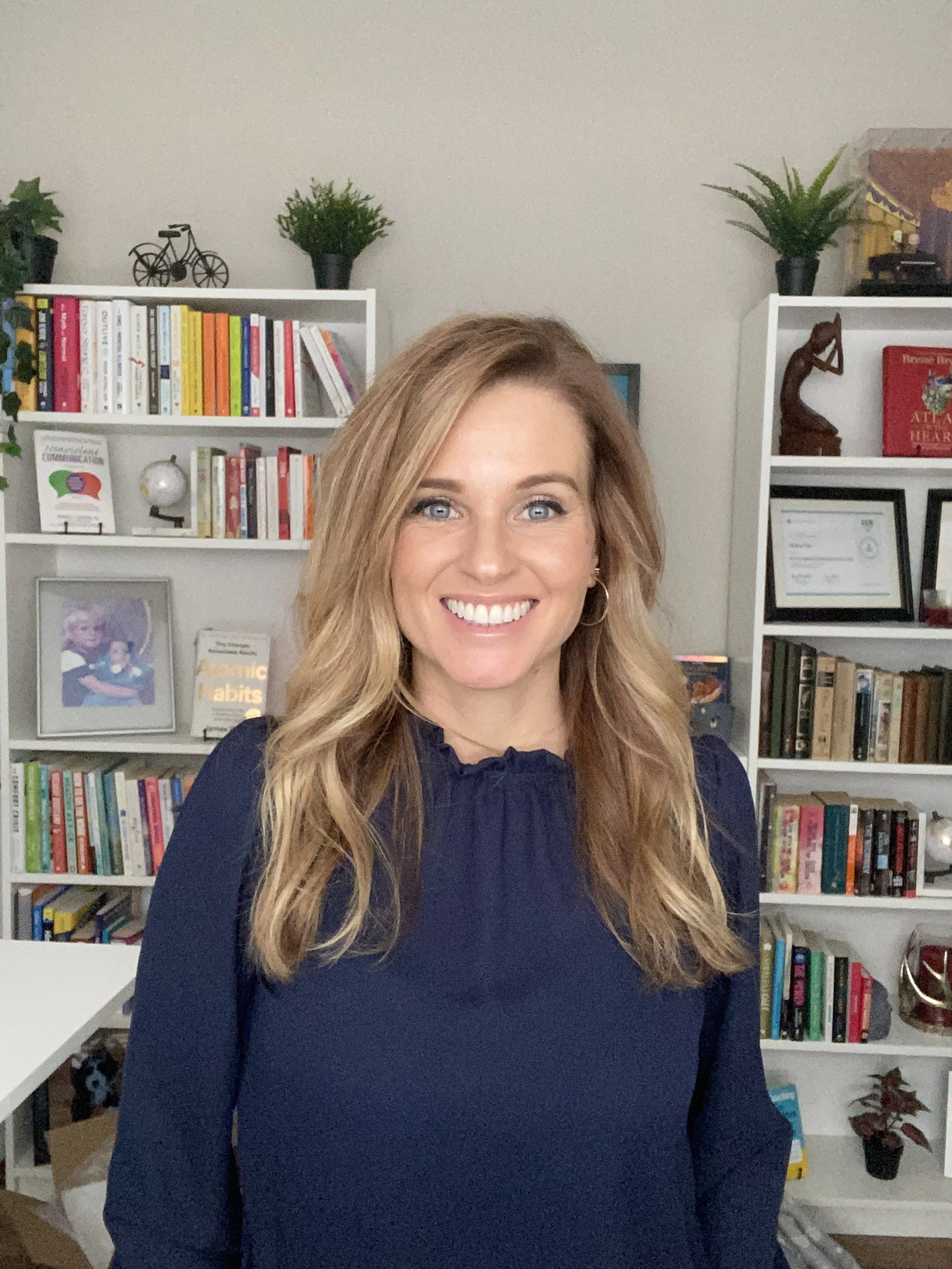
Meet Melissa
I’ve spent my career working closely with people and teams across a variety of professional environments, which has given me deep insight into human dynamics, communication, and workplace pressure.
My background in sales, legal administration, hospitality, and Human Resources informs my work today—particularly when supporting leaders and organizations navigating complexity, responsibility, and change.


My coaching certifications provided rigorous training in behaviour change, habit formation, and health-focused strategies that support sustainable performance. This foundation allows me to help clients make meaningful changes that are realistic, practical, and lasting.


Frequently Asked Questions
Health and life coaching has really gained a lot of traction in the last number of years. Even still, there are still some fairly common questions that pop up regularly.
-
There is some soft overlap between coaching and therapy, however there are some significant differences. Life coaching primarily focuses on the present and future, aiming to help individuals set and achieve specific goals, while therapy explores the past, present, and future, aiming to understand and address emotional and psychological challenges.
I do not diagnose or treat mental health disorders; I concentrate on enhancing overall life satisfaction and success. I provide guidance, support and accountability, while you, the client, take an active role in defining your goals.
-
While you can start to feel some positive effects of coaching after just a few weeks, coaching through habit change is most effective after 12 weeks. Ninety days is the optimal amount of time to keep our motivation high while establishing healthy habits.
-
By providing personalized support for physical and mental well-being, you empower your employees to enhance their lifestyles and work habits. Improved health translates to heightened productivity, with employees experiencing increased focus, energy, and resilience. A reduction in absenteeism and presenteeism contributes to cost savings and creates a positive ripple effect on team dynamics.
-
A well-implemented corporate health and wellness program can have a range of long-term effects, including:
- Improved physical health
- Enhanced mental well-being
- Increased productivity
- Positive work culture
- Enhanced employee engagement and retention
- Attracting top talent
- Healthier aging workforce
- Reduced risk of workplace injuries or illness
- Improved employee relations -
When entering into a set program (i.e. a 12-week program) designed to build healthy habits, once a week is the ideal meeting frequency. This allows:
- Consistent support and accountability
- Real-time problem solving
- Progress tracking
- Reinforcement of positive habits
- Personalized guidance
- Continuous goal setting
- Building a trusting relationship -
You will want to ensure your coach is certified by an institution that is recognized by the IFC (International Coaching Federation). It isn’t necessary for a health or life coach to have an undergraduate degree or higher.
-
Health coaching can be a great tool for weight loss, especially when it can be so challenging on your own. However, health coaching encompasses all aspects of health, including nutrition, sleep improvement, holistic well-being, chronic disease management, stress management, fitness, etc.
-
Health coaches play a crucial role in supporting behavior change by employing various strategies and techniques. Some of these include goal-setting, education and information, action planning, accountability, identifying barriers, cognitive restructuring, etc.

Happy Clients

Live your best life
If you’re considering 1:1 executive coaching or exploring programs to support leadership well-being and performance, this is a good place to start.